.png)
Time-of-Use Tariffs Explained: When Power Is Actually Cheapest
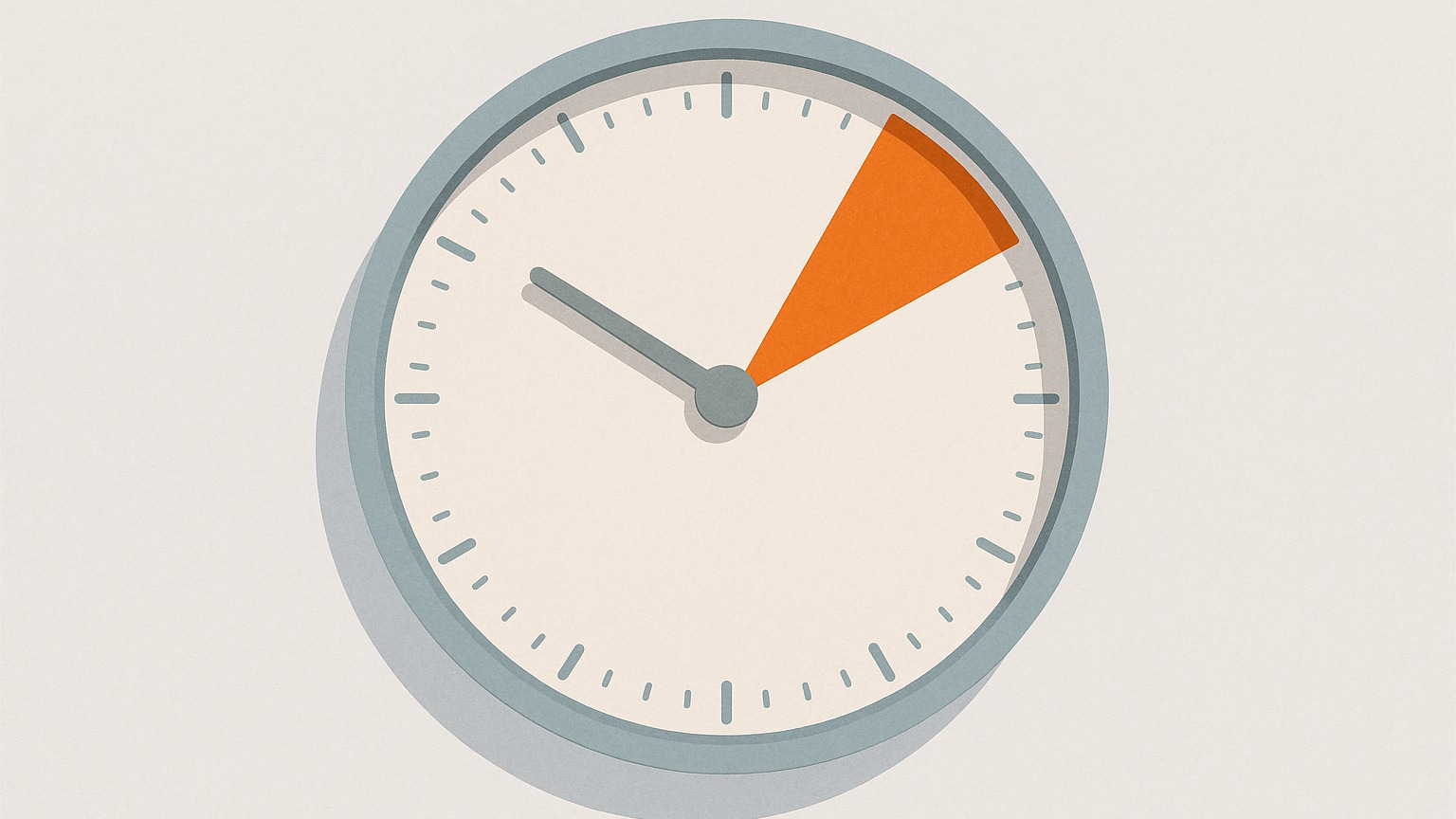
A time-of-use tariff isn't a trick or a penalty — it's the same electricity, priced differently depending on when you use it. Run the dishwasher at 7pm and it costs one thing; run it at 11pm and the same cycle can cost noticeably less. No new equipment, no spending — just moving load to a cheaper window.
Here's what actually counts as "peak" (it varies more than people expect), the real price gap, and dollar examples for the three loads worth shifting first: the dishwasher, the pool pump, and hot water.
What a time-of-use tariff actually is
If you have a smart meter, your electricity use is measured in blocks throughout the day rather than as one running total, and priced differently depending on the block. Peak periods — typically the afternoon and early evening on weekdays, when demand across the whole grid is highest — cost the most. Off-peak periods, usually overnight and across some or all of the middle of the day, cost the least.
The important detail most people miss: it's your network distributor — the company that owns the poles and wires — that sets these time windows, not your retailer. Your retailer builds a plan and a dollar rate on top of a structure the distributor already defined, which is why the windows themselves don't change if you switch retailers, only the price attached to them.
When "peak" actually is — it varies by network
This is the part worth checking for your specific address, because assuming a generic "5pm to 9pm" rule can mean shifting loads into a window that was never actually expensive where you live.
Ausgrid (NSW)
Peak runs 3pm–9pm, every day of the week, but only during summer (November–March) and winter (June–August) — there's no peak period at all in spring or autumn, and off-peak pricing applies the rest of the time.
AusNet Services (Victoria)
Victoria's newer structure adds a third tier: a cheap "solar soak" window in the middle of the day (broadly late morning to mid-afternoon, when rooftop solar floods the grid), a shorter evening peak, and standard off-peak overnight.
Energex (Queensland)
Peak is typically 4pm–9pm, with a cheaper off-peak-style window around 11am–4pm — a similar solar-soak logic to Victoria's, just structured slightly differently.
The pattern across all of them: the cheapest hours cluster overnight and, increasingly, around the middle of the day when solar generation is high — not just "whenever you're asleep."
What the price difference actually looks like
The gap between peak and off-peak is large enough to plan around, not just a rounding difference. Off-peak and controlled-load rates commonly sit around 19–30 cents per kWh, while peak rates commonly run 35–65 cents per kWh depending on your network and retailer — often more than double, sometimes closer to triple.
Real dollar examples — shifting the big three
Dishwasher and washing machine
Most dishwashers and washing machines let you delay the start of a cycle by a few hours — set it running before bed instead of straight after dinner, and it finishes in off-peak pricing while you sleep. Households that consistently shift the bulk of their dishwasher, washing machine and hot water use into off-peak windows commonly save somewhere around $180–$240 a year — not from using less power, just from using it at a cheaper time.
Pool pump
A pool pump running around 8 hours a day is a genuinely large, genuinely flexible load — there's no reason it needs to run during the most expensive hours of the afternoon. Moving it to a timer set for off-peak hours can save somewhere around $100–$250 a year, depending on pump size and your local rates.
Hot water
Hot water is usually the single biggest opportunity on this list, because it's the easiest to fully automate. Moving an electric hot water system onto a controlled-load circuit or an off-peak timer can save around $200–$400 a year, since controlled-load rates are typically priced closer to 19–23 cents per kWh — well below even standard off-peak, let alone peak.
Controlled load — a separate circuit worth knowing about
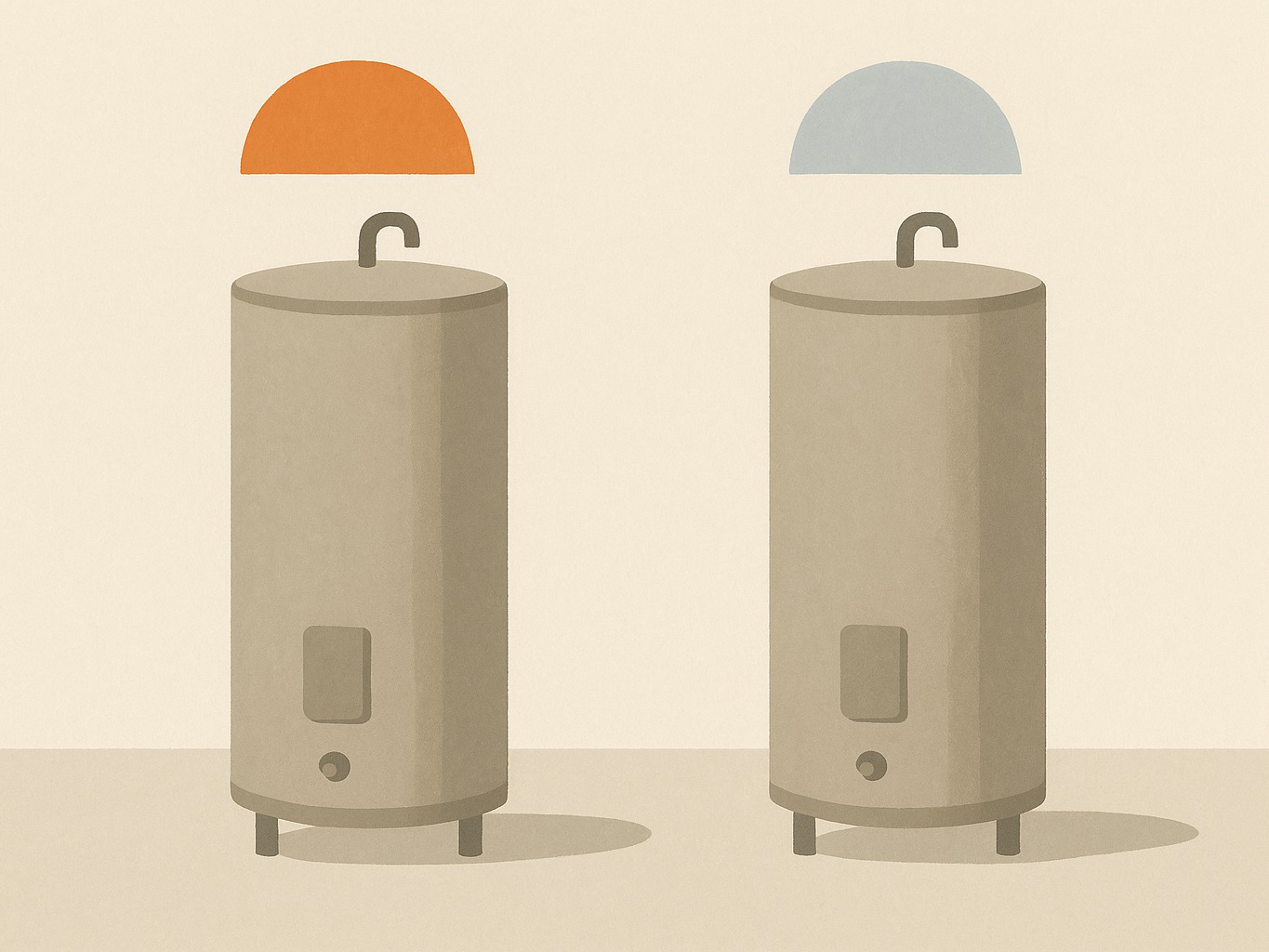
Some homes already have a "controlled load" — a physically separate circuit, usually for hot water or a pool pump, that your distributor switches on automatically during set off-peak hours regardless of what tariff you're on. If you're not sure whether you have one, it's worth asking your retailer or checking your bill — it's a different line item to your general usage, and if you've got one sitting unused, that's a free upgrade path rather than a "buy something new" one.
Our take
Time-of-use tariffs reward a small amount of scheduling discipline more than any other change on this list, because it costs nothing to set a delay timer or move a pool pump's on/off times. The dishwasher and washing machine are the easiest to start with; hot water is usually the biggest single win if it isn't already on a controlled load.
Frequently asked questions
Who actually decides my peak and off-peak times — my retailer or someone else?
Your network distributor sets the time windows; your retailer only sets the dollar rate attached to each window. Switching retailers won't change when peak actually falls at your address. Source: Canstar.
What time is peak electricity in NSW?
For Ausgrid, peak runs 3pm–9pm every day during summer (November–March) and winter (June–August), with no peak period at all in spring or autumn. Source: Ausgrid.
How much can I actually save by shifting my hot water to off-peak?
Commonly around $200–$400 a year, since controlled-load rates for hot water typically sit around 19–23 cents per kWh, well below standard peak rates. Source: Huglo Energy Guide.
Is it worth putting my pool pump on a timer?
Yes — for a pump running around 8 hours a day, shifting it to off-peak hours can save roughly $100–$250 a year, on top of being one of the easiest loads in the house to automate. Source: Huglo Energy Guide.
Do I need a smart meter for time-of-use pricing to apply to me?
Yes — time-of-use and off-peak pricing only applies if you have a smart meter recording usage in time blocks. On a single-rate (flat) tariff, the time of day you use power doesn't affect the price. Source: Canstar.
Check your bill's timing
Whether shifting your dishwasher, pool pump or hot water actually saves you money depends on your specific tariff and usage pattern, not a generic rule. Get a free bill health check and see exactly where your energy timing is costing you.
Start with your bill. Then move the load that actually matters.
Before you get quotes
See when your home actually uses power
Get your free ComfortScore, then upload a PDF electricity bill. We’ll break down your peak, shoulder and off-peak use and your solar exports, so you can test how shifting use into the middle of the day, or adding a battery, changes when you buy from the grid.
1
Get your ComfortScore
Answer a few questions about your home. It’s free.
2
Upload a PDF bill
We read your usage by time of day, your tariff and your solar exports.
3
Try the what-ifs
Move load into the solar day or add a battery, and see how your grid use shifts.
What to read next



Get the next guide before you need it
One email when we publish something new — practical guides only, unsubscribe any time.