.png)
How to keep your house cool in summer without blowing the bill
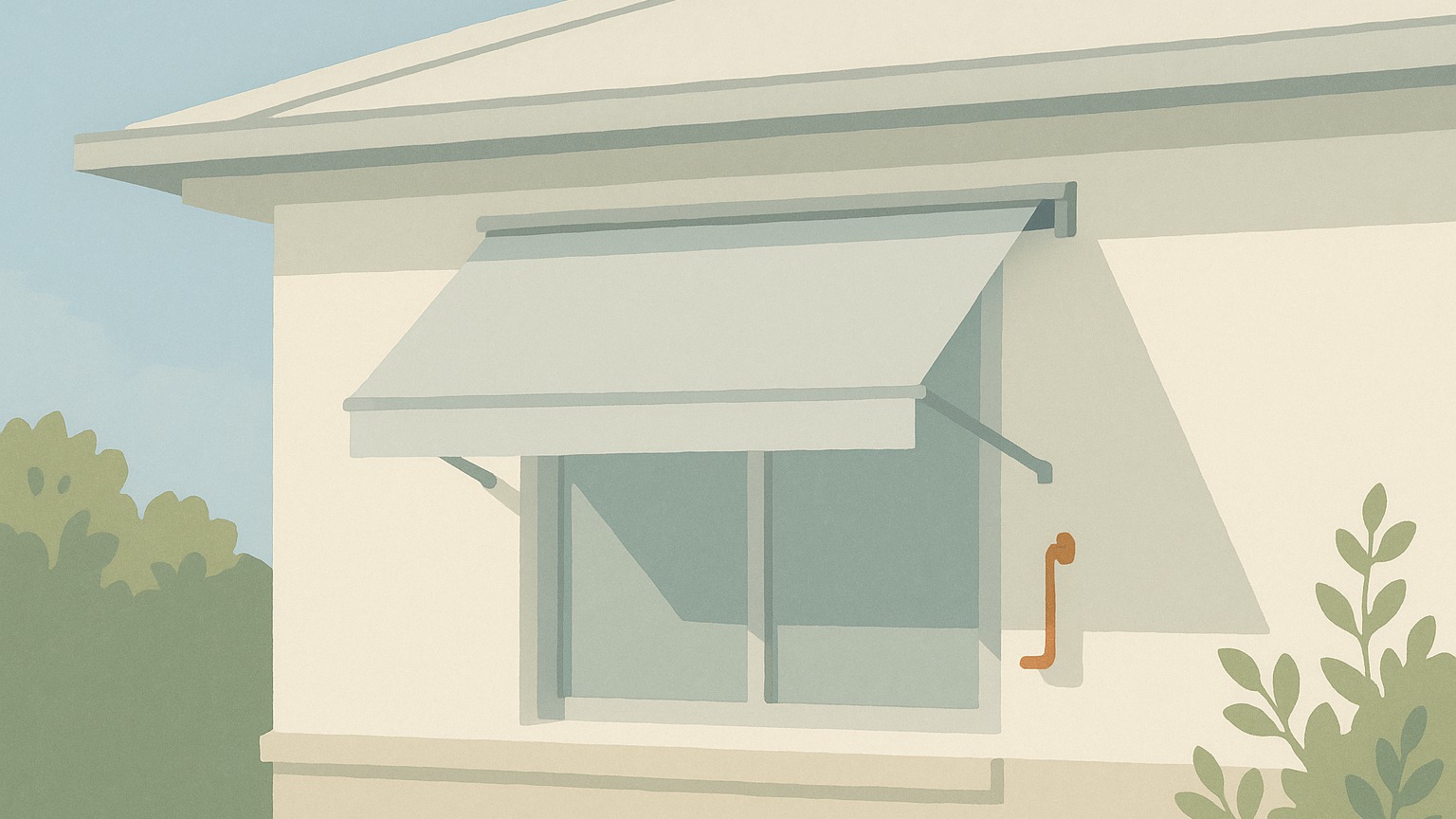
Keeping a house cool in an Australian summer doesn't have to mean running the air conditioner from breakfast to bedtime. There's a genuine ladder of options here, roughly cheapest to most expensive, and most homes get real relief well before reaching for the reverse cycle.
Start with fans — by far the cheapest option
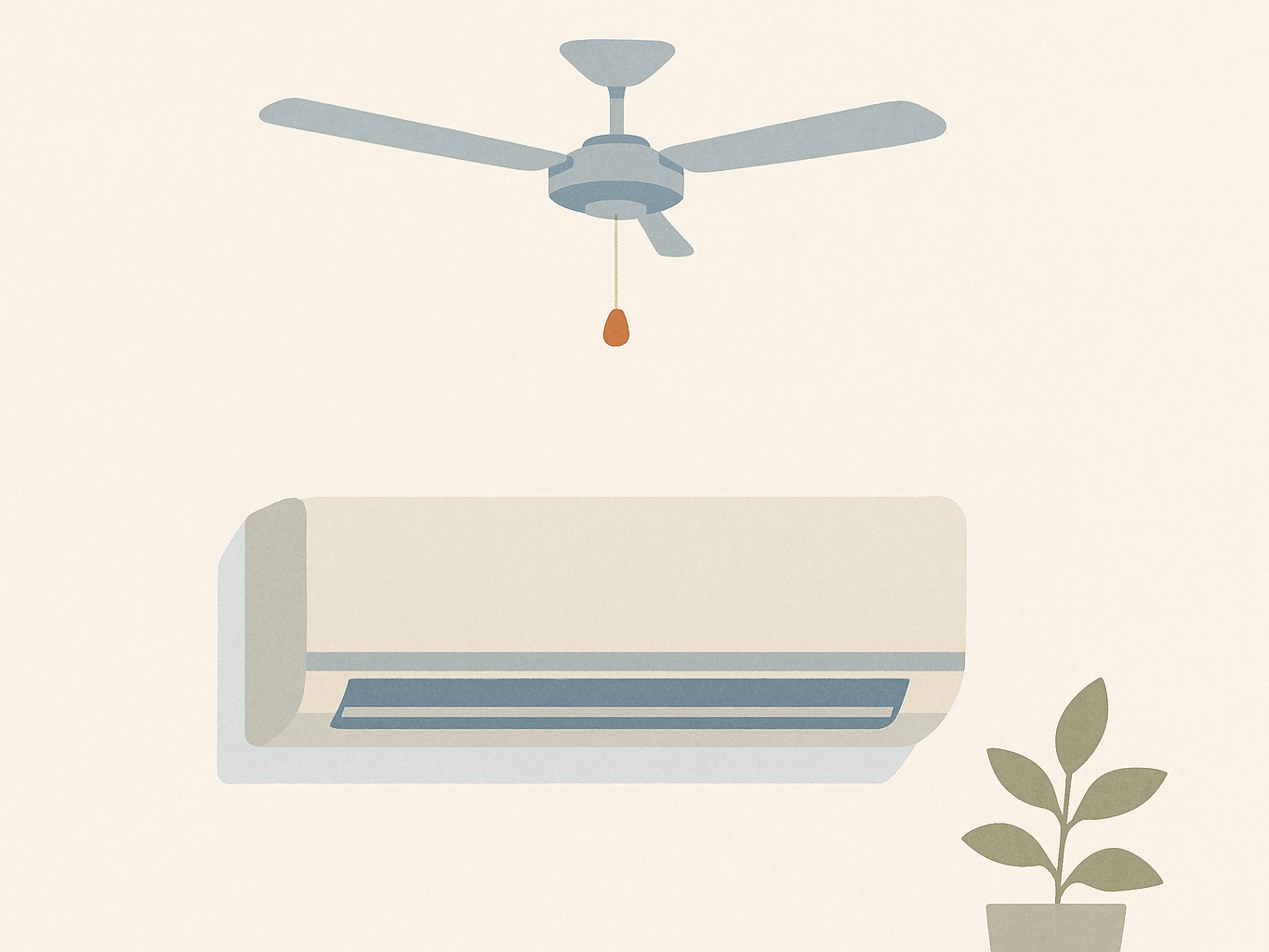
A ceiling fan running at full speed costs somewhere around 3 cents a day to run, or roughly $3 for an entire summer of daily use. A pedestal or floor fan costs a little more, but still only a few dollars across the whole season. Compare that to a split-system air conditioner, which can run somewhere in the order of $300 or more for the same period of daily use — fans are commonly somewhere around a hundred times cheaper to run.
Fans don't lower the actual air temperature, but moving air makes a room feel several degrees cooler than it is, which is often enough on all but the hottest days.
Block the heat before it gets in — external shading
Once fans aren't enough, the next cheapest lever isn't the air conditioner — it's stopping heat from getting into the house in the first place. Effective external shading can block up to 90% of the heat that direct sun would otherwise put into a room through a window.
The key word is external. Shading on the outside of the glass — awnings, external blinds, shutters, louvres — stops the sun's heat before it reaches the window at all. Internal curtains and blinds only catch heat after it's already come through the glass, so they're meaningfully less effective, particularly on east and west-facing windows where the sun sits low and hits the glass directly in the morning and evening.
Insulation — the upgrade that helps year-round
Insulation isn't just a winter thing. A well-insulated ceiling resists heat flow in both directions, which means it also slows down how much of a hot day's heat makes it into the house through the roof. If you haven't checked your ceiling insulation, it's worth doing before spending more on cooling equipment, since it makes every other option — fans included — work better.
Reverse cycle — the last step, not the first
When the temperature genuinely calls for it, reverse cycle air conditioning is the most effective option, and for very hot days or vulnerable household members, it's not really optional. The point of the cheaper steps above isn't to avoid air conditioning altogether — it's to need it less often and run it more efficiently when you do.
Heatwave safety for older residents
Extreme heat is a genuine health risk, and people over 65 are disproportionately affected — older people's bodies don't regulate temperature or sweat as efficiently as younger people's, and heatwaves are associated with a meaningfully higher rate of hospitalisation and death in this age group. A few practical points worth acting on, not just knowing:
- Drink more water than usual, even without feeling thirsty
- Air conditioning is the most effective protection — if you don't have it, a shopping centre, library or other air-conditioned public space during the hottest part of the day is a real option, not a last resort
- Check in on older relatives, neighbours or anyone who might need support during extreme heat
- If someone feels unwell during a heatwave — dizziness, confusion, very hot skin that isn't sweating — treat it seriously and call 000
Our take
Fans first, then external shading, then insulation if you haven't already — in that order, most homes can hold off on running the air conditioner for a lot more of the summer than they currently do. None of that means avoiding the air conditioner entirely on the days that genuinely call for it, particularly where health and safety are involved.
Frequently asked questions
How much cheaper is a fan than air conditioning?
Commonly around a hundred times cheaper per hour of use — a ceiling fan costs roughly 3 cents a day to run, against $300 or more for a split system across an entire summer of daily use. Source: Reviews.org.
Do external blinds actually make a difference, or is it mostly marketing?
It's real — effective external shading can block up to around 90% of the heat that would otherwise enter through a window, well ahead of what internal curtains or blinds achieve on their own. Source: YourHome, Australian Government.
Does ceiling insulation help in summer, not just winter?
Yes — R-value resists heat flow in both directions, so the same insulation that keeps a home warm in winter also slows heat gain through the roof in summer.
Why are older people more at risk in heatwaves?
Their bodies are less able to regulate temperature and sweat efficiently, and people 65 and over are the most commonly hospitalised age group for heat-related illness in Australia. Source: Better Health Channel, Victorian Government.
What should I do if someone seems unwell in extreme heat?
Take it seriously — dizziness, confusion or hot skin that isn't sweating can indicate heat stress, and calling 000 is the right response rather than waiting to see if it passes.
See how exposed your home actually is
Shading, insulation and glazing all affect how much summer heat your specific home is exposed to. Get your free ComfortScore and see what's actually driving the heat in your home before you spend on cooling it.
Start with your home. Then keep it cool for less.
Before you get quotes
See when your home actually uses power
Get your free ComfortScore, then upload a PDF electricity bill. We’ll break down your peak, shoulder and off-peak use and your solar exports, so you can test how shifting use into the middle of the day, or adding a battery, changes when you buy from the grid.
1
Get your ComfortScore
Answer a few questions about your home. It’s free.
2
Upload a PDF bill
We read your usage by time of day, your tariff and your solar exports.
3
Try the what-ifs
Move load into the solar day or add a battery, and see how your grid use shifts.
What to read next


Get the next guide before you need it
One email when we publish something new — practical guides only, unsubscribe any time.