.png)
Induction vs Gas Cooktop: Cost, Health and What Switching Actually Involves
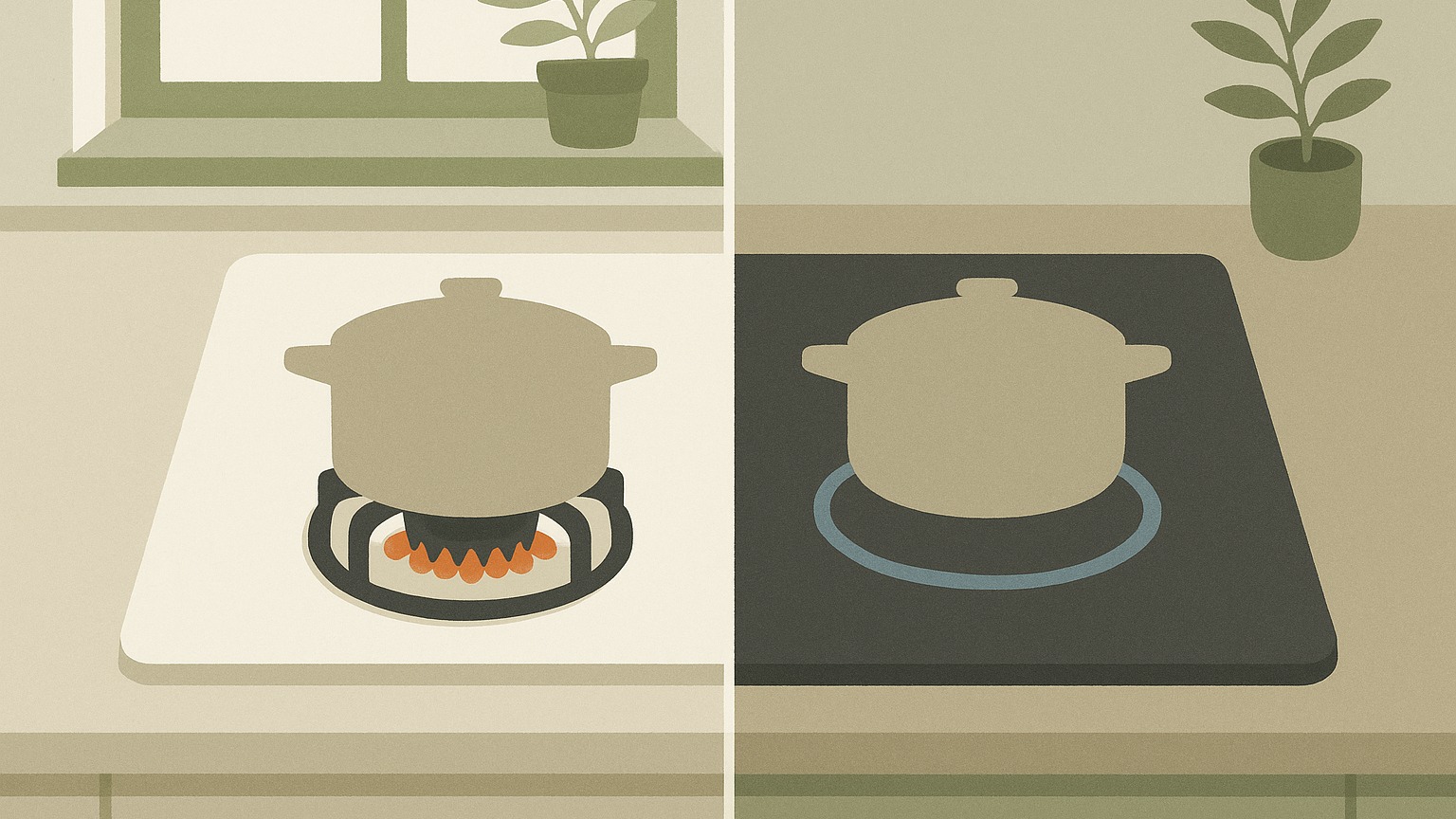
The induction-versus-gas debate used to be mostly about cooking feel — how fast it boils, how easy the pan slides, whether you miss the flame. That's still part of it, but the more consequential parts of the decision now are what's actually in the air in your kitchen, and what it costs an electrician to wire one in.
Here's the running cost, the health evidence, what installation actually involves, and where it fits if you're renovating anyway.
Running cost — closer than the marketing suggests
Induction is the more efficient technology by a wide margin: independent testing puts induction at roughly 85–90%+ efficient at turning energy into heat in the pan, against roughly 32–40% for gas — most of a gas flame's heat escapes around the sides of the pot rather than into it.
That efficiency gap doesn't translate into dramatic bill savings on its own, though, because a cooktop is a small slice of total household energy use. Typical estimates put annual running costs at around $120–$250 for induction versus $150–$280 for gas — a difference of roughly $30–$150 a year for most households. Real, worth having, but not the main reason to switch.
The health case — this is what's actually shifted the conversation
This is the part that's changed since induction was purely a lifestyle upgrade. A University of NSW-covered analysis found that cooking with gas is associated with somewhere around 12% of the childhood asthma burden in Australia — comparable to the risk contribution of tobacco smoke exposure in the home. Gas combustion during cooking releases nitrogen dioxide, fine particulate matter and other pollutants indoors, and homes with gas stoves have measured nitrogen dioxide levels several times higher than homes with electric cooking.
It isn't an all-or-nothing problem if you're not ready to switch yet: using a high-efficiency range hood every time you cook with gas can reduce that 12% figure down to around 3%. Switching to induction removes the source rather than managing it, but a good range hood is a genuine harm-reduction step in the meantime.
What installing induction actually requires
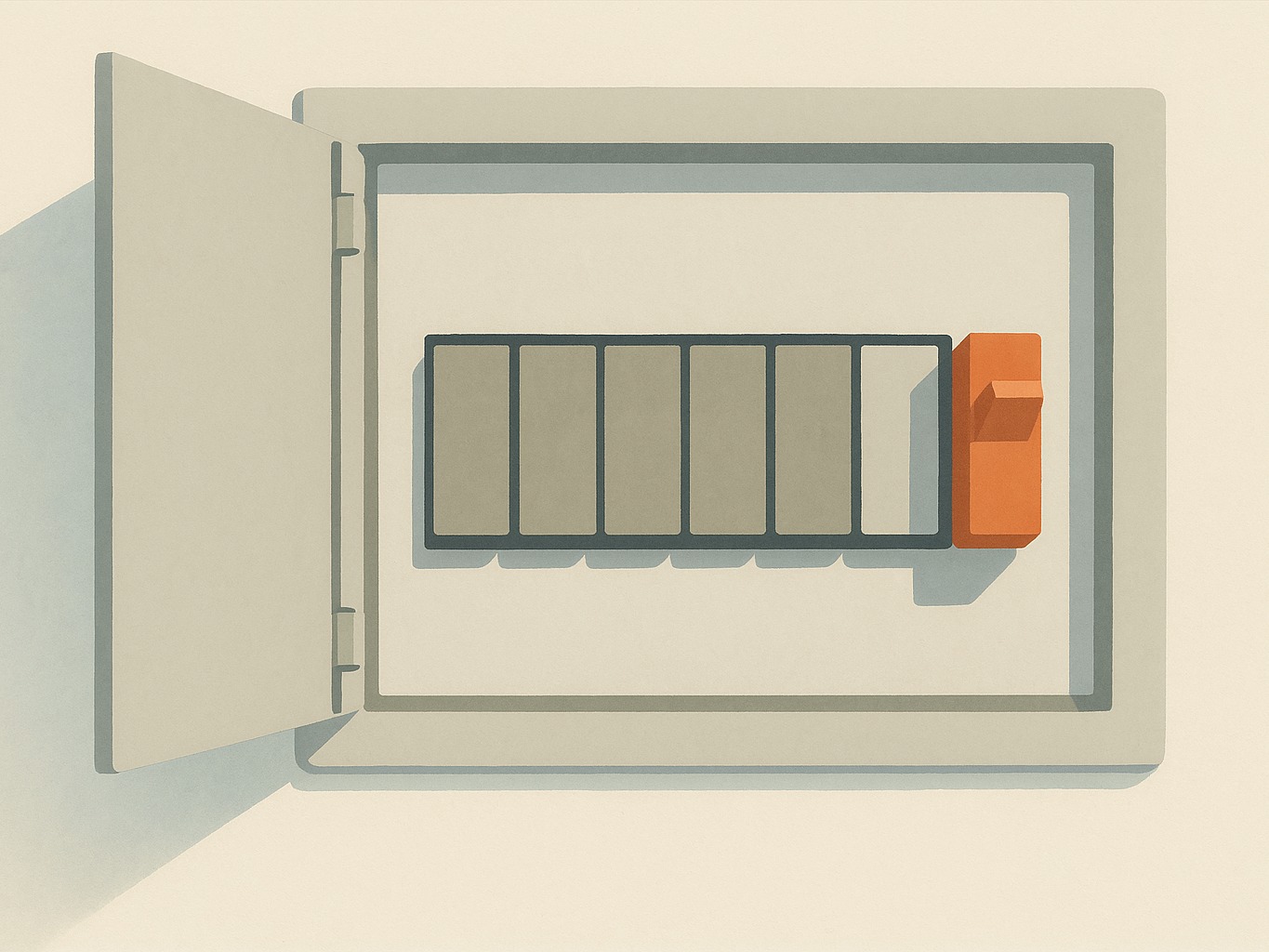
This is where a straightforward-sounding swap can turn into a bigger job than expected. Induction cooktops need a dedicated electrical circuit, typically rated 20–32 amps, wired with 6mm²–10mm² cable depending on the run length. Under AS/NZS 3000:2018, the circuit also needs RCD (safety switch) protection and a dedicated isolation switch installed within about two metres of the cooktop. None of this is DIY-legal in Australia — it has to be done by a licensed electrician.
What it costs depends heavily on what's already there. As a rough guide:
- Hardwiring to a new dedicated circuit: commonly $600–$1,200, assuming the switchboard has spare capacity and the kitchen isn't far from it
- Capping the old gas line: typically $250–$500 if you're removing gas entirely
- Island benches or peninsulas: add roughly $300–$600, since cabling may need to run under the floor or through conduit
- The cooktop itself: entry-level models start around $300–$750; full-featured models range up to $6,000 or more
If your switchboard is old or already near capacity, a broader upgrade may be needed on top of the above — an electrician's load assessment will tell you that before you commit to a cooktop, not after.
Rebates — worth checking, but not consistent nationwide
Unlike heat pump hot water, induction cooktop rebates aren't yet widespread across states. What's currently available:
- Victoria: up to $140 off an induction cooktop or freestanding induction stove through the Victorian Energy Upgrades program, via an accredited provider
- ACT: induction cooktops are an eligible item under the Sustainable Household Scheme's interest-free loans of up to $15,000, which can also be combined with other electrification upgrades in the same loan
Most other states don't currently have a cooktop-specific rebate, so it's worth checking your state's current energy upgrade program before buying rather than assuming one exists.
Fitting it into a kitchen renovation
The cheapest time to switch is almost always during a renovation you're already doing. If the benchtop is being replaced and cabinetry is already out, capping the gas line and running a new dedicated circuit is a small incremental job rather than a standalone project with its own trade callouts and make-good work.
If you're not renovating, a simple swap onto an existing appropriately-rated circuit — where the switchboard already has capacity and the kitchen is close to it — keeps costs at the lower end of the ranges above. Where it gets more expensive is exactly where a renovation would have absorbed the cost anyway: longer cable runs, island benches, or a switchboard that needed upgrading regardless of what's on the cooktop.
Our take
The running-cost difference alone doesn't make a compelling case either way — it's real but modest. The health evidence is the part that's shifted this from a lifestyle preference to something worth taking seriously, and the installation requirements are the part that's easy to underestimate until an electrician's quote arrives. If you're renovating regardless, induction is close to a free decision. If you're not, it's still worth doing — just go in knowing the dedicated circuit is non-negotiable, not optional.
Frequently asked questions
Is induction actually more energy-efficient than gas?
Yes — induction converts roughly 85–90%+ of its energy into heat in the pan, compared with around 32–40% for gas, where much of the heat escapes around the cookware. Source: Energy Matters.
How much of childhood asthma is actually linked to gas cooking?
Around 12% of the childhood asthma burden in Australia has been associated with gas cooking — a contribution comparable to secondhand tobacco smoke exposure in the home — and a good range hood can reduce that to around 3%. Source: UNSW Newsroom.
What electrical work does an induction cooktop actually need?
A dedicated circuit rated 20–32 amps, RCD (safety switch) protection, and an isolation switch within about two metres of the cooktop, all installed by a licensed electrician under AS/NZS 3000:2018 — DIY wiring isn't legal here. Source: Goldline.
Are there rebates for switching to induction?
Victoria offers up to $140 off through Victorian Energy Upgrades, and the ACT's Sustainable Household Scheme includes induction cooktops in its interest-free loans up to $15,000. Most other states don't currently have a cooktop-specific rebate. Source: Victorian Energy Upgrades, ACT Climate Choices.
Is it worth switching if I'm not renovating?
Yes, though it's more expensive per job done in isolation — a straightforward dedicated-circuit install commonly runs $600–$1,200 versus a much smaller incremental cost if you're already renovating and the cabinetry is out.
Plan your electrification path
Induction is one piece of a bigger sequencing question — what to switch, in what order, and what it means for your switchboard and budget. Get your free ComfortScore and use the renovation roadmap to plan the full path, not just the cooktop.
Start with your home. Then plan the switch that fits your renovation.
Before you get quotes
See when your home actually uses power
Get your free ComfortScore, then upload a PDF electricity bill. We’ll break down your peak, shoulder and off-peak use and your solar exports, so you can test how shifting use into the middle of the day, or adding a battery, changes when you buy from the grid.
1
Get your ComfortScore
Answer a few questions about your home. It’s free.
2
Upload a PDF bill
We read your usage by time of day, your tariff and your solar exports.
3
Try the what-ifs
Move load into the solar day or add a battery, and see how your grid use shifts.
What to read next




Get the next guide before you need it
One email when we publish something new — practical guides only, unsubscribe any time.