.png)
Double glazing in Australia: cost, savings, and when it beats insulation
Double glazing has a reputation as the upgrade for people who've already done everything else — the expensive, nice-to-have finishing touch rather than the first thing worth fixing. That reputation is mostly earned, but not entirely.
Here's what double glazing actually costs in Australia, what it genuinely improves, and when it's worth doing ahead of the cheaper option most homes should try first.
What it actually costs
Pricing is usually quoted per square metre rather than per window, and it varies a lot by frame material: $300–$1,250/m² for aluminium frames, $300–$500/m² for uPVC, and $600–$1,500/m² for timber. Installation labour typically adds $60–$90 per hour per glazier on top.
As a rough reference point, a standard window comes out somewhere around $800–$1,800 installed, though retrofitting a new glazed unit into an existing frame can come in cheaper — commonly $550–$1,100 — than a full frame replacement. For a whole house of ten to fourteen windows, that adds up to somewhere in the order of $10,000–$28,000. It's a genuinely large project cost, and the payback through energy savings alone can take five years or more.
What it actually improves
Windows are a disproportionately large source of heat loss for their size. In an older, uninsulated home, glazing can account for up to around 40% of total heating energy loss — a lot for a part of the building that's usually a fraction of the total wall area.
Double glazing directly addresses that, and it does two other things a lot of buying guides undersell:
- Comfort near the glass: single-glazed windows get genuinely cold to the touch in winter, which is part of why a room can feel chilly even when the thermostat says otherwise. Double glazing keeps the inner pane much closer to room temperature.
- Noise reduction: standard double glazing typically cuts noise by somewhere around 7–19 dB compared to older single glazing, depending on the glass and cavity width — and because the decibel scale is logarithmic, even a 10 dB reduction reads as roughly half as loud. Acoustic-specific double glazing pushes the reduction higher again, which matters a lot if you're on a busy road.
Double glazing or insulation — which first?
This is the actual question most homeowners are weighing, and the honest answer is: insulation first, for most homes.
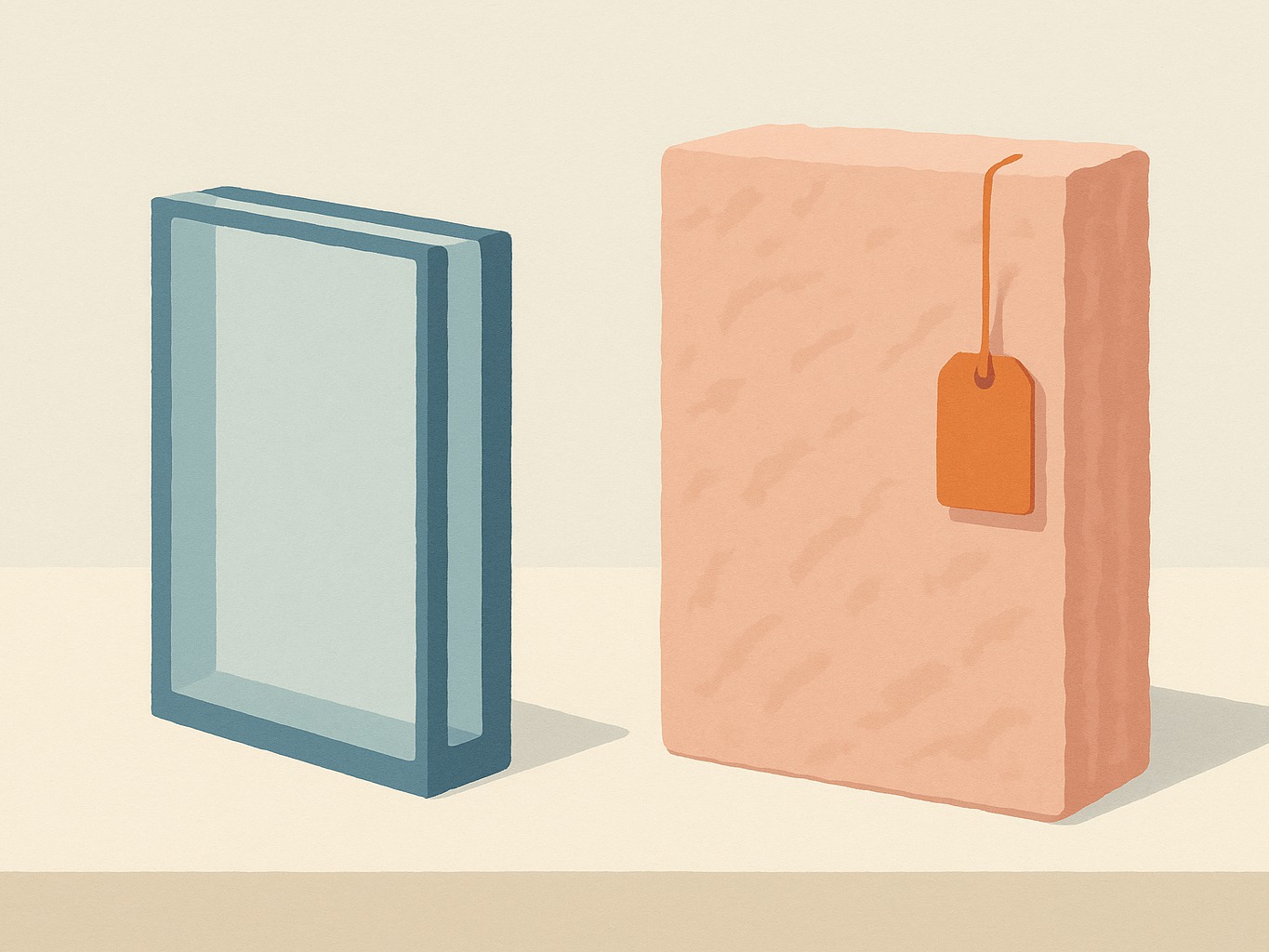
The reasoning comes down to surface area and cost per square metre, not comfort. Ceiling insulation runs roughly $12–$35/m² installed; double glazing runs $300–$1,500/m² — somewhere between ten and forty times more per square metre of coverage. And in a typical home, the ceiling is a much larger uninsulated area than the total window area, so a dollar spent on ceiling insulation usually buys more total heat-loss reduction than the same dollar spent on glazing.
Where glazing earns its place is when insulation alone doesn't solve the actual problem you have. If road or neighbourhood noise is the main complaint, no amount of ceiling insulation fixes that — only better glazing (or, more cheaply, secondary glazing) will. If you have a large, single-glazed glass area on a poor-performing façade — a big west-facing living room window, for instance — glazing can matter more there than the average would suggest. And if you're already replacing windows for another reason (a renovation, storm damage, old failing frames), upgrading to double glazing while the frames are out anyway is a much smaller incremental cost than doing it as a standalone project.
Cheaper ways to get partway there
If full double glazing isn't in the budget, two lower-cost options close some of the gap: secondary glazing (adding a second pane or acrylic sheet to an existing single-glazed window from the inside) typically runs $400–$850 per window, and heavy, well-fitted curtains or blinds with a sealed pelmet meaningfully cut both heat loss and noise for a fraction of the cost of new glass.
Our take
Double glazing genuinely delivers on comfort and noise, and the 40%-of-heat-loss figure is real. But for most homes on a budget, ceiling insulation is still the better first move purely on cost-effectiveness grounds — it's not that glazing doesn't work, it's that insulation almost always works out cheaper per degree of difference. Glazing earns priority when noise is the actual complaint, when one window is doing a disproportionate amount of damage, or when you're replacing frames anyway.
Frequently asked questions
How much does double glazing cost per window in Australia?
Commonly $800–$1,800 installed for a standard window, though retrofitting new glass into an existing frame can cost less, around $550–$1,100. Pricing is usually quoted per square metre and varies by frame material. Source: Canstar.
How much heat do single-glazed windows actually lose?
Windows can account for up to around 40% of a home's total heating energy loss in an otherwise uninsulated house. Source: Canstar.
How much noise does double glazing actually block?
Typically around 7–19 dB more than older single glazing, depending on the glass specification and cavity width — acoustic-laminated options perform toward the higher end. Source: Astellite.
Should I insulate my ceiling or upgrade my windows first?
For most homes, ceiling insulation first — it costs a fraction as much per square metre and usually covers a much larger area of the home than windows do. Glazing becomes the priority when noise is the specific problem, or a large single-glazed window is a particular weak point.
Is secondary glazing a reasonable alternative to full double glazing?
Yes, particularly on a tighter budget — it typically costs $400–$850 per window and still meaningfully improves both thermal performance and noise, without replacing the whole frame.
Compare your options properly
Whether glazing or insulation is the better next step depends on your specific home, not a general rule. Get your free ComfortScore and compare double glazing against insulation side by side for your own house before you spend on either.
Start with your home. Then compare the upgrades.
Before you get quotes
See when your home actually uses power
Get your free ComfortScore, then upload a PDF electricity bill. We’ll break down your peak, shoulder and off-peak use and your solar exports, so you can test how shifting use into the middle of the day, or adding a battery, changes when you buy from the grid.
1
Get your ComfortScore
Answer a few questions about your home. It’s free.
2
Upload a PDF bill
We read your usage by time of day, your tariff and your solar exports.
3
Try the what-ifs
Move load into the solar day or add a battery, and see how your grid use shifts.
What to read next


Get the next guide before you need it
One email when we publish something new — practical guides only, unsubscribe any time.